Smart Insurance Tips for Protecting Your Summer Toys
Se Won Kim | May 12 2026 15:00
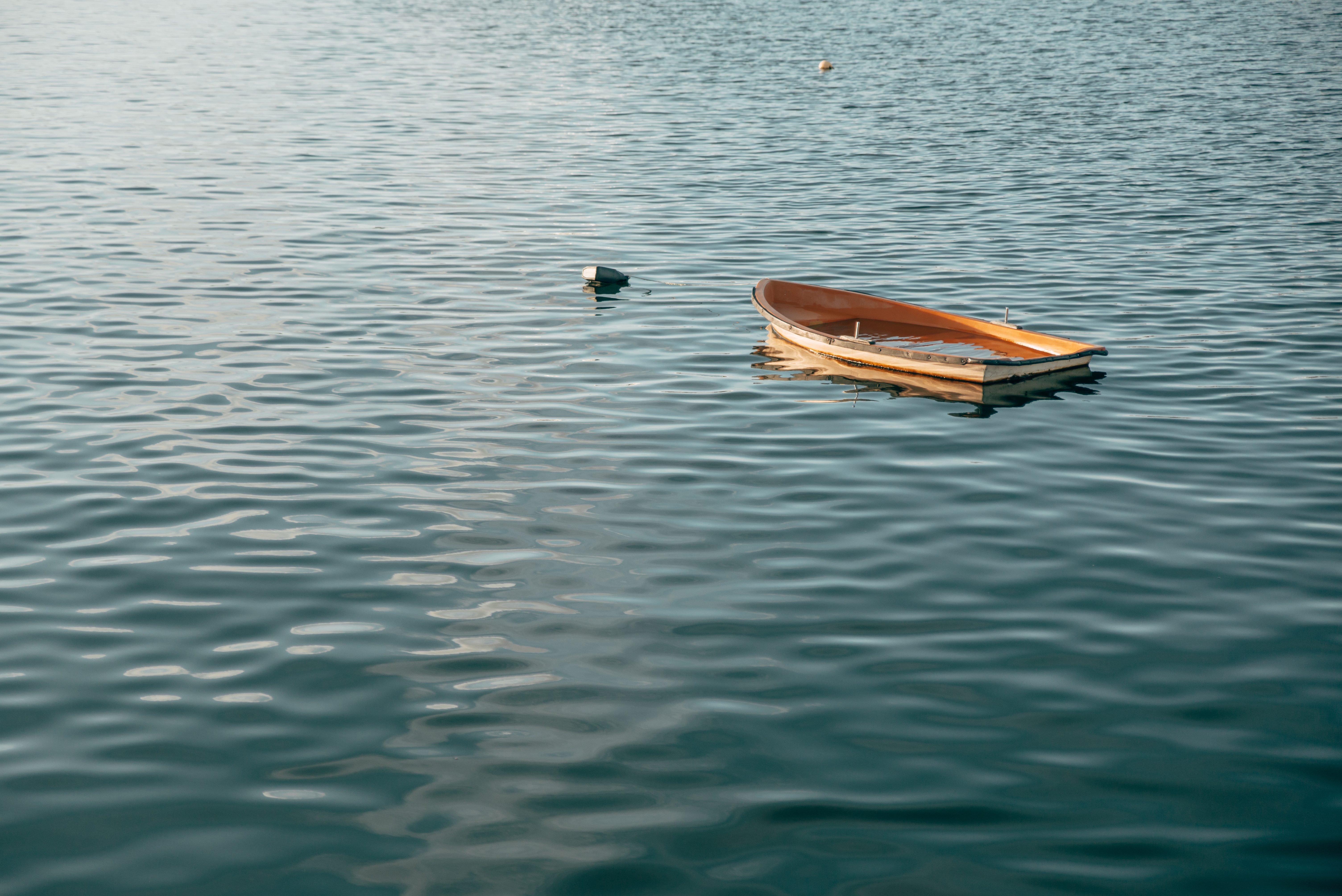
Summer adventures can come with unexpected risks, especially when boats, RVs, motorcycles, and ATVs aren’t fully insured. While these vehicles are built for fun, they also face hazards that standard home or auto policies may not cover. Taking time to review your coverage before the busy season begins can help keep your plans running smoothly and prevent costly surprises.
A quick insurance check ensures your recreational vehicles are properly protected from accidents, weather events, theft, and liability claims. Below is a refreshed look at how coverage typically works for popular summer toys and why dedicated policies from Vegas Insurance Group can make all the difference.
Why Summer Vehicles Often Require Their Own Policies
Recreational vehicles face very different risks compared to everyday cars and homes. They’re used in varied environments, stored in unique places, and exposed to hazards that standard policies might exclude. These gaps can leave owners responsible for hefty repair bills, medical expenses, or legal issues.
Specialized insurance is built to address these risks directly. These policies consider how often the vehicle is used, where it’s kept, and the type of activities it’s involved in. Without the right coverage, a single incident can become a major financial setback.
Boat Insurance: Staying Protected on the Water and at the Dock
Boat insurance functions similarly to auto insurance, offering protection for the vessel itself and liability coverage for accidents involving others. Most policies include physical damage coverage, which can help repair or replace a boat damaged by storms, theft, fires, vandalism, or collisions.
Medical payments coverage is often included as well, helping with injury-related expenses for you or your passengers. Liability coverage is equally important, offering financial protection if you accidentally injure someone or damage another person’s property while operating your boat.
Some boat policies also feature uninsured or underinsured boater coverage. This can be valuable if another boater causes an accident but lacks adequate insurance. Optional add-ons may include coverage for towing, emergency services, equipment, personal belongings, and trailers.
Insurers typically ask for details such as the boat’s size, value, engine specifications, storage location, and your boating background. It’s important to know that regular wear, mechanical breakdowns, and poor maintenance are usually excluded. Some policies also limit coverage by region or season, making it crucial to understand when and where your protection applies.
RV Insurance: Tailored Coverage Based on Your Travel Style
Recreational vehicles—whether motorhomes or travel trailers—carry unique risks on the road and at campsites. RV insurance helps cover damage from collisions, theft, fire, vandalism, wildlife, and severe weather. It also provides liability coverage for injuries or property damage you may cause while driving or when parked.
Motorhomes generally require liability insurance by law. Comprehensive and collision coverage may be optional, but lenders usually require them for financed RVs. Comprehensive helps with losses outside your control, while collision covers impact-related damage.
Travel trailers differ because they aren’t motorized. Liability while towing typically comes from the vehicle pulling the trailer. However, a trailer policy may not include liability coverage once you’re parked, which is why many owners choose vacation liability protection for campsite stays.
Additional coverage options can include medical payments, roadside assistance, uninsured or underinsured protection, emergency trip expense reimbursement, and coverage for items stored inside the RV. Some policies even extend to pets. Common exclusions include normal wear and moisture-related issues like mold.
Motorcycle Insurance: Essential Protection for Riders
Motorcycles, scooters, and mopeds need their own insurance, and most states require riders to carry at least liability coverage. This protects you financially if you’re responsible for injuries or property damage after an accident.
Comprehensive and collision coverage are optional unless the bike is financed, in which case lenders usually require both. These help cover theft, vandalism, weather damage, and collision-related losses.
Your premium depends on factors like your riding history, age, bike style, location, and coverage choices. Even for older bikes, maintaining proper insurance helps minimize financial risks after a crash or unexpected loss.
ATV Insurance: Common Coverage Gaps to Watch For
ATVs are often a gray area when it comes to insurance. Many owners assume their homeowners policy provides enough protection, but coverage is usually limited and may apply only when the ATV is used on your own property.
Separate ATV insurance helps ensure coverage follows you wherever you ride. Policies may include liability protection, collision coverage, comprehensive coverage, uninsured or underinsured motorist protection, and medical payments.
Collision coverage typically applies to damage that affects the ATV’s operation, while comprehensive covers non-collision events such as fires or damage to permanently mounted accessories. Medical payments coverage can help with treatment after an accident, no matter who was at fault.
If you haul your ATV on a trailer, it’s important to understand how coverage applies in transit. Damage that occurs while towing may require separate trailer insurance.
A Simple Review Can Help Prevent Big Problems
Overlooking the right insurance for your recreational vehicles can lead to costly repairs, legal issues, or uncovered claims. Spending a little time reviewing your policies now can help you enjoy a carefree summer.
If you’re unsure whether your boats, RVs, motorcycles, or ATVs are fully protected, Vegas Insurance Group is here to help. Give us a call to make sure your adventures stay safe, stress-free, and full of fun.