Does Auto Insurance Cover the Car or the Driver?
Se Won Kim | Jul 21 2026 15:00
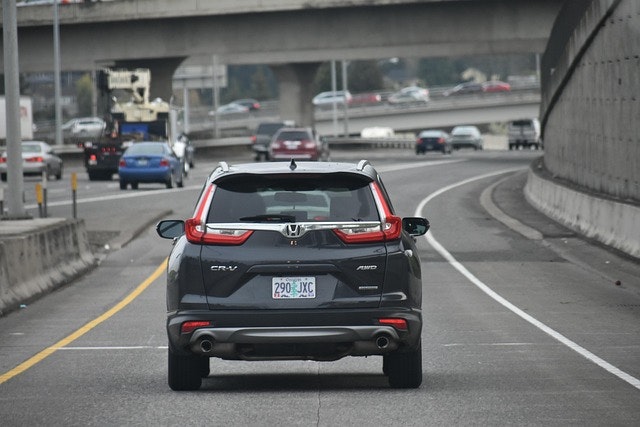
Many drivers wonder whether auto insurance follows the vehicle or the person behind the wheel. The answer matters when you lend your car to a friend, borrow someone else’s vehicle, or find yourself in an unexpected accident. While insurance typically applies to the insured car, there are important exceptions that can influence how coverage works in real-life situations.
Understanding when insurance follows the vehicle and when it does not can help you avoid costly surprises and make more informed decisions before letting someone else take the wheel.
The General Rule: Coverage Usually Follows the Vehicle
Most auto insurance policies are written to protect a specific vehicle. When an accident occurs, the policy insuring that vehicle is generally the first source of liability coverage. Liability insurance pays for injuries or property damage caused to others, and because it’s linked to the car, it typically applies even if someone else is driving it with your permission.
For instance, if you allow a friend to drive your vehicle and they get into an accident, your insurance is usually the primary coverage. It would pay for damages up to your policy limits. If the total cost exceeds those limits, the driver’s own insurance—if they have a policy—might contribute as secondary protection.
This layered setup reinforces why choosing appropriate liability limits is so important. Insufficient coverage can leave you financially vulnerable.
Exceptions to the Rule
Although auto insurance generally follows the car, several situations can affect how or whether coverage applies. These exceptions often create confusion and can lead to gaps if you are not aware of them.
Permission Matters
Insurance typically applies when the driver has your permission to use the vehicle. This is known as permissive use. However, if someone takes your car without your approval—whether intentionally or accidentally—your insurer may deny coverage. Permission is one of the key factors that determines whether a policy responds after an accident.
Excluded Drivers Are Not Covered
Some policies explicitly list excluded drivers. These are individuals the insurer refuses to cover, often due to a poor driving record or past claims. If an excluded person drives your car and causes an accident, the insurance company may reject the claim entirely. In such cases, both you and the driver may be personally responsible for any resulting costs.
Regular Household Drivers Must Be Listed
Insurance carriers typically require that all household members who regularly use a vehicle be listed on the policy. If someone in your home frequently drives your car but is not included on the policy, coverage could be reduced or denied. Insurers rely on accurate information to assess risk, and omitting regular drivers can cause major issues when a claim is filed.
Business Use May Not Be Protected
Using your personal vehicle for business activities—such as making deliveries, transporting clients, or carrying out work-related errands—may fall outside the coverage of a standard personal auto policy. In these scenarios, you may need supplemental or commercial insurance to ensure proper protection.
Ride-Sharing and Delivery Driving Create Additional Gaps
Driving for ride-sharing or delivery apps introduces additional coverage concerns. Many personal auto policies exclude accidents that occur while earning income through these platforms unless you have purchased specific add-ons. While some companies provide limited coverage, it often does not apply at all times, leaving potential gaps that drivers need to understand.
How These Rules Work in Real Life
Consider the scenario where you loan your car to a friend so they can run errands. If they accidentally hit another vehicle, your auto insurance would typically respond first. Your liability limits would determine how much the policy pays, and if damages exceed those limits, your friend’s insurance may step in as secondary coverage.
Now imagine the opposite situation: your vehicle is in the shop, and you borrow a friend’s car. If you get into an accident, their policy usually applies first because it is tied to the vehicle. Your own insurance may help with any excess costs, but it will not replace their primary coverage.
These examples illustrate how insurance policies interact and why understanding the details of each policy is important.
Why Policy Details Matter
Auto insurance policies vary widely, and small differences in wording can significantly affect how claims are handled. Factors such as listed drivers, exclusions, endorsements, and state-specific rules all play a role in determining what is covered.
Two seemingly similar policies can produce different outcomes in the event of an accident. Reviewing your policy regularly ensures you understand what protections you have—and where there may be potential gaps.
What to Consider Before Handing Over Your Keys
Letting someone borrow your car may feel like a simple favor, but it comes with responsibility. Before allowing another person to drive your vehicle, consider whether they have a valid license and a history of safe driving. It is also helpful to review your coverage limits to make sure they provide enough protection.
You should also check whether your policy contains any restrictions about who can drive your vehicle. Having this knowledge upfront can help prevent complications if an accident occurs.
Knowledge Is Your Best Protection
While insurance usually follows the car, various exceptions—such as permission, driver exclusions, and business use—can change how coverage applies. Taking the time to understand your policy gives you greater confidence when lending or borrowing a vehicle.
If you have questions about how your auto insurance applies in specific situations or want help reviewing your coverage, speaking with an experienced professional can provide clarity. Understanding your policy ensures that you’re protected before you pass your keys to someone else.